May 2, 2026 - Jihun Oke
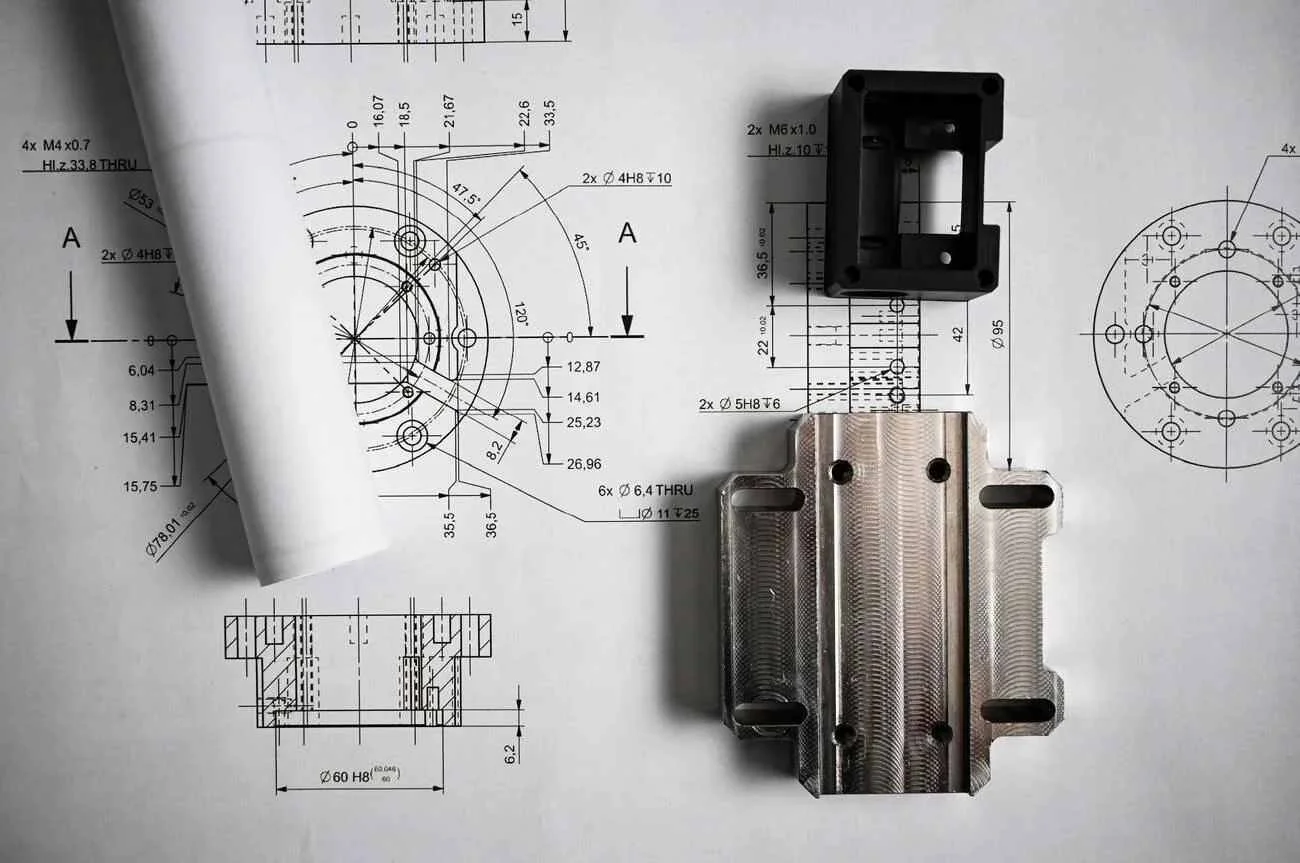
When you picture mechanical engineering, your brain probably defaults to the clinical stuff, rigid CAD grids, endless columns of material stress data, thermodynamics equations that look like ancient hexes, and people in high-vis vests arguing over tolerances. Now, flip the switch. What comes to mind when you think of design or art? It’s fluid, emotional, maybe a little chaotic, and entirely focused on how a human experiences the world. For a long time, we’ve treated these two worlds like oil and water. One is cold logic; the other is pure feeling. But if you talk to the engineers who are actually shifting the culture, they’ll tell you a secret: mechanical engineering without design isn't really solving problems; it's just doing math. Design is the literal bridge that turns a functional chunk of metal into something we actually want in our lives.
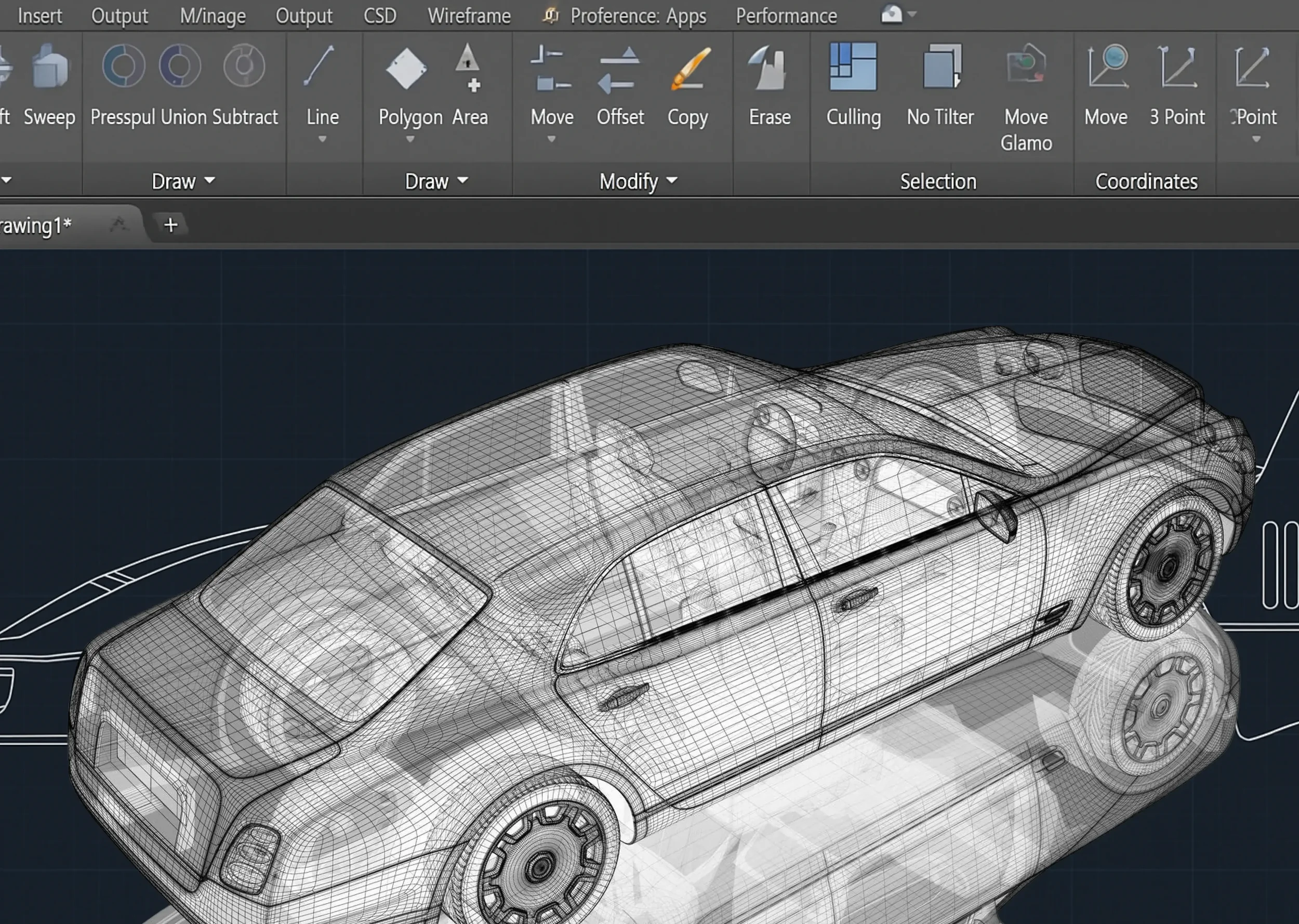
Let’s be completely honest for a second. Nobody ever looked at a machine and fell in love with it just because the bolts were torqued to exact spec. We fall for how a product looks, how it sits in our hands, and how it makes us feel when we use it. Take something like a sleek electric car or even a high-end espresso machine. A mechanical engineer had to sweat the small stuff to make sure the internal
gears, thermal elements, and batteries didn't melt or explode. But it was the design mindset that dictated the sweep of the car's hood, the textured grip on the espresso lever, and the heavy, satisfying *thud* of a door closing. Design introduces empathy into the equation. It forces us to stop asking "can we build this?" and start asking "how will a person actually feel when they touch this?"
That intersection is where the real magic happens, because engineering at its core is just a giant game of problem-solving. The catch is that if you only use textbook formulas, you’re bound to get the exact same uninspired answers as everyone else. Design thinking trains your brain to embrace the blank page and see a playground instead of a boundary wall. When an engineer starts thinking like a designer, they stop staring blankly at spreadsheets and start sketching wild ideas. They look at the curves of a bird's wing to solve aerodynamic drag, or they study how a beetle's shell moves to design better joint articulation. They aren't afraid to make a massive, chaotic mess of prototypes before they distill everything down to that one perfect, elegant solution. Some of the coolest breakthroughs in history didn’t start on a calculator; they started as a messy, frantic "what if" doodled on the back of a receipt.
Plus, we have to talk about the reality of the job: you can have the most revolutionary, physics-defying internal mechanism in the world, but if your sketches look like a toddler’s crayon drawing, nobody is ever going to build it. Visual literacy, the raw ability to sketch a mechanism with confident, fluid lines, to understand perspective, and to use form to communicate function, is a massive superpower. When you can draw a concept beautifully, you aren't just showing technical dimensions to a manufacturer or a client. You're telling a story. You're selling a vision of the future. You are taking something abstract from your brain and making it real enough for someone else to believe in it.
So if you’re grinding through an engineering degree or currently working in the field, please stop locking your creative side in a dark closet. Pick up a pencil and just sketch without a plan. Walk through an art gallery, or just stare at the architecture of a bridge on your way home. The world doesn't just need machines that function perfectly under stress; it needs objects that inspire us, fit seamlessly into our daily rhythms, and look stunning while doing it. After all, Leonardo da Vinci didn't look at his notebook and decide he had to choose between being an artist or an engineer. He just looked at the world, saw the beautiful continuity of it all, and designed it.