The Neuroscience of Flow: Where Sports and Art Meet
March 1, 2026 - Isabel Park
A painter and a basketball player do not seem like they have much in common at first. One is standing in front of a canvas, the other is moving across a court. One is mixing colors, the other is watching defenders. One might be seen as creative, the other as athletic. But when both are fully focused, their brains may be doing something surprisingly similar.
There is a moment in both sports and art when the person stops overthinking. A soccer player does not calculate every step before making a pass. A dancer does not pause to think about each movement. A musician does not read every note like it is brand new. An artist does not always plan every brushstroke. Instead, the body and mind begin to work together almost automatically. This state is often called flow.
Flow is the feeling of being completely locked into an activity. Time can feel faster or slower. Distractions fade. The person is still working hard, but the effort feels smoother. It is not that the task becomes easy. It is that the brain becomes fully absorbed in it.
This is one of the clearest connections between sports and art. Both require practice, timing, awareness, and creativity. An athlete trains the same movement again and again until it becomes muscle memory. An artist does something similar. They repeat lines, shapes, rhythms, notes, or movements until their hands and body know what to do without needing constant instruction.
Muscle memory is not really stored in the muscles. It comes from the brain and nervous system learning patterns through repetition. A tennis player’s serve, a pianist’s hand movement, a dancer’s turn, and a painter’s brush control all become stronger through repeated practice. Over time, the brain gets better at sending the right signals at the right moment.
This is why practice can look boring from the outside but feel important to the person doing it. Shooting the same free throw, sketching the same figure, playing the same scale, or rehearsing the same scene is not just repetition. It is training the brain to trust the body.
Sports also involve creativity more than people often realize. A basketball player has to make quick decisions in a changing situation. A soccer player has to read space, movement, and timing. A gymnast has to combine strength with expression. These are not only physical skills. They are creative decisions happening in real time.
Art can be physical in the same way. Painting, dancing, sculpting, acting, and playing music all involve the body. Even drawing depends on pressure, movement, balance, and control. The artist is not only thinking of an idea; they are translating that idea into motion.
This connection is especially clear in dance, but it exists in almost every art form. A violinist uses posture and movement. A sculptor uses force and touch. A painter uses rhythm in their hand. A photographer moves through space to frame an image. The body becomes part of the artwork.
The nervous system plays a major role in this. When someone is anxious, distracted, or tense, both athletic and artistic performance can feel harder. A player may miss an easy shot. A performer may forget a line. An artist may feel stuck. But when the nervous system is regulated, the body can respond more naturally. Breathing, focus, and confidence all affect how well someone performs.
This is why warm-ups matter in both sports and art. Athletes stretch, run drills, and prepare their bodies. Artists warm up too, even if it looks different. A singer does vocal exercises. A painter tests colors. A dancer marks choreography. A writer scribbles rough ideas. These routines tell the brain that it is time to enter a different mode of focus.
There is also an emotional side to flow. People often feel most alive when they are deeply involved in something they care about. A runner may feel it during a race. A drummer may feel it during a performance. A muralist may feel it while painting a large wall. In those moments, the activity becomes more than a task. It becomes expression.
This is where sports and art overlap most strongly. Both allow people to communicate without always using words. A player’s style can show confidence, patience, aggression, or grace. An artist’s work can show emotion, memory, struggle, or joy. In both cases, the body becomes a way to express something internal.
The difference between an athlete and an artist may not be as large as it seems. Both practice until movement becomes natural. Both depend on focus and timing. Both make decisions under pressure. Both use the body to turn thought into action.
Flow reminds us that creativity is not limited to art, and discipline is not limited to sports. They both live in the space where the brain, body, and emotion work together. Whether someone is painting a mural, playing a song, dancing on stage, or taking the final shot in a game, they are using more than skill. They are entering a state where practice becomes instinct, and movement becomes meaning.
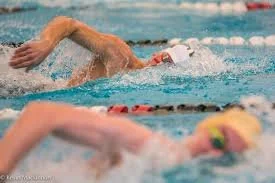
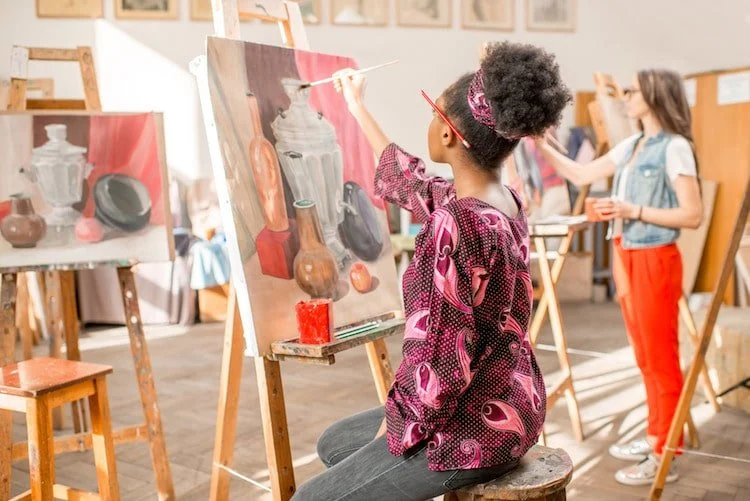
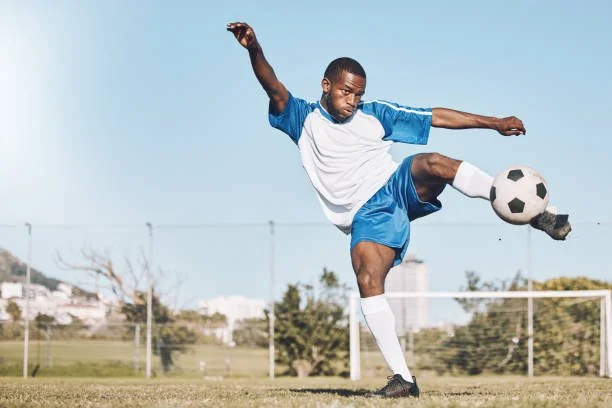
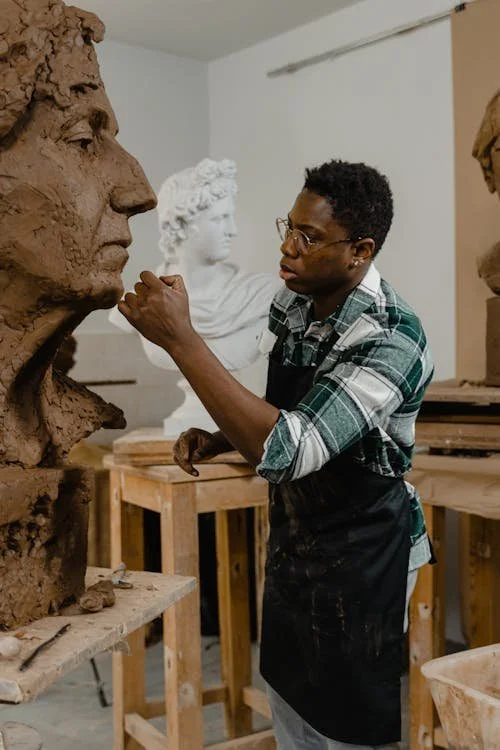
This topic feels important and personal to me because sports were a huge part of my life for a long time. I grew up playing soccer and swimming, and both taught me discipline, focus, and how much the body can hold onto through practice. When I entered high school, I had to quit because of a knee injury, which made me lose a part of my identity I had carried since I was little. Now that I pursue art, I find myself connecting the dots between the two. Art gives me a different way to understand movement, patience, expression, and growth, and it reminds me that even when one part of your life changes, the things it taught you can still show up in a new form. :)