February 7, 2026 - Daniel Burgdoff
Messy art is often underestimated. In a world where people are used to seeing polished paintings, perfect sketchbook pages, and carefully edited artwork online, unfinished or imperfect pieces can seem less valuable. However, messy art can reveal something important about the creative process.
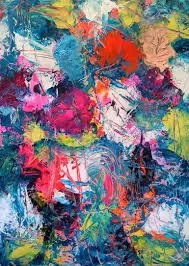
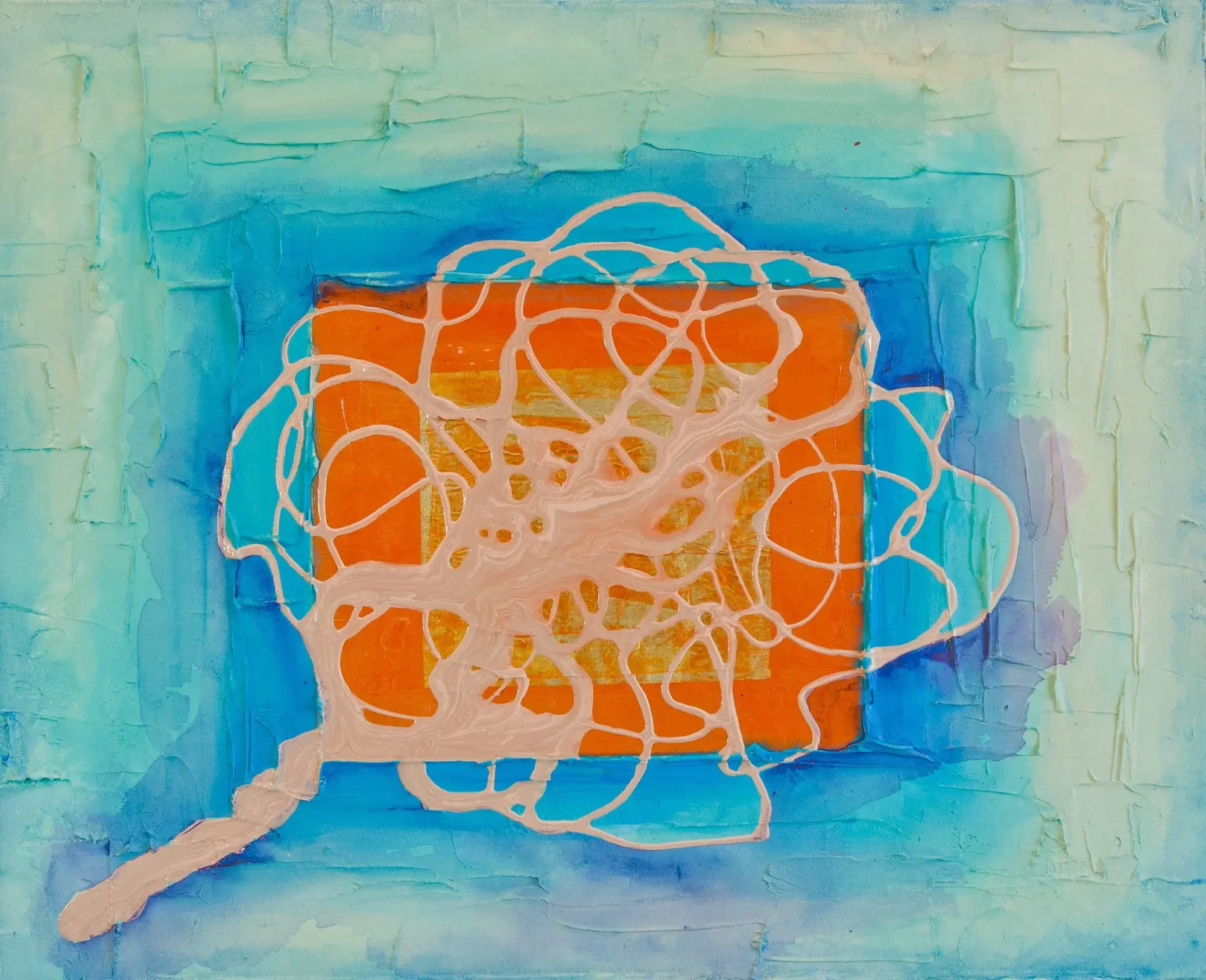
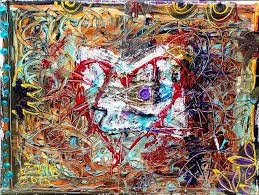
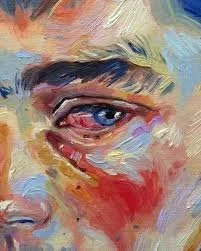
Art does not always need to be clean or perfect to have meaning. A painting with uneven colors, a sketch with erased lines, or a collage that feels unorganized can still show emotion, effort, and imagination. These pieces remind us that creativity is not only about the final result, but also about the act of making something.
This is especially important in community and nonprofit art spaces. Many people who participate in art programs are not trying to create a professional piece. They may be looking for a way to express themselves, relax, connect with others, or simply try something new. In these spaces, art should not feel like another area where people are judged. It should feel like a place where mistakes are allowed.
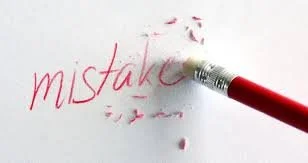
Messy art also changes the way people see mistakes. A paint drip, a crooked line, or an unexpected color choice does not always ruin the piece. Sometimes, it becomes part of what makes the artwork unique. Through art, people can learn that mistakes do not have to mean failure.
They can become part of the process.
For children and teens, this lesson can be especially meaningful. Many young people avoid creating because they are afraid their work will not be good enough. When they are encouraged to make messy art, they begin to understand that creativity is not about being perfect from the start. It is about experimenting, learning, and gaining confidence over time.
Messy art can also feel more personal. A polished artwork may be impressive, but an imperfect piece often shows the decisions, changes, and emotions behind it. The erased marks, uneven lines, and layered colors show that a real person was thinking, feeling, and trying throughout the process.
In group art projects, messiness can become part of the meaning. When many people contribute their own styles, colors, and ideas, the final piece may not look perfectly planned, but it holds different voices. A mural, collage, or shared painting becomes valuable because it reflects the people who helped create it.
Messy art matters because it reminds us that art is not only about skill or perfection. It is also about expression, growth, and courage. In a society that often pressures people to appear polished and successful, messy art gives people space to be honest, unfinished, and still worthy of being seen.