November 11, 2025 - Suhri Ko
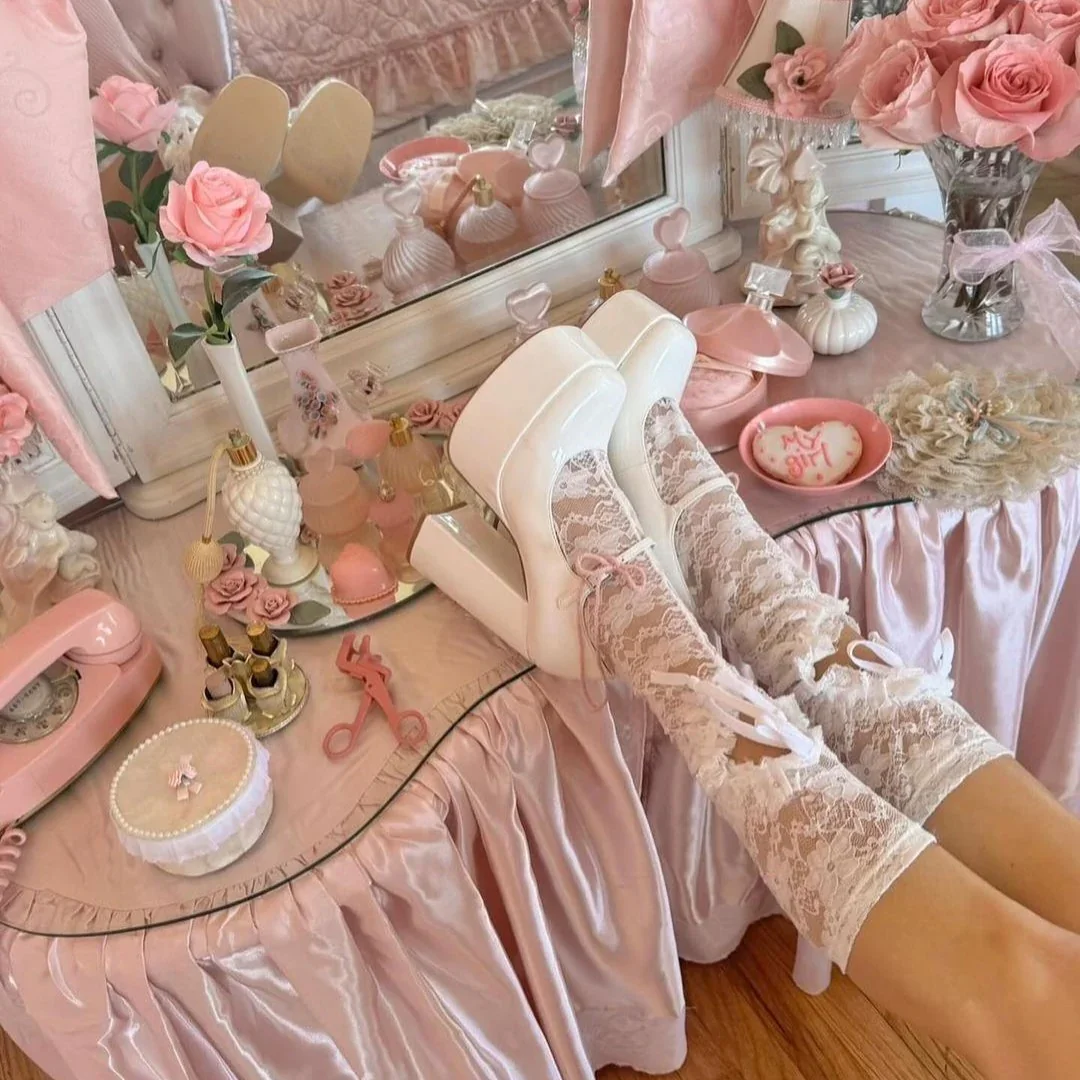
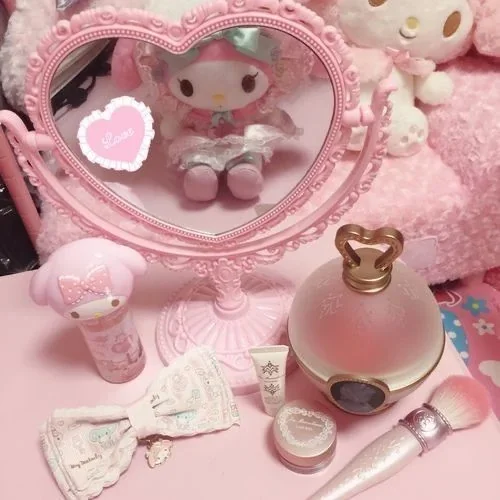
The psychology behind aesthetics is more interesting than people give it credit for. On the surface, aesthetics like dark academia, cottagecore, clean girl, coquette, fairycore, or grunge can look like nothing more than clothes, room decor, playlists, and Pinterest boards. But for a lot of people, they are much more personal than that. They are a way of saying, “This is the kind of world I want to live in,” or even, “This is the kind of person I am trying to become.”
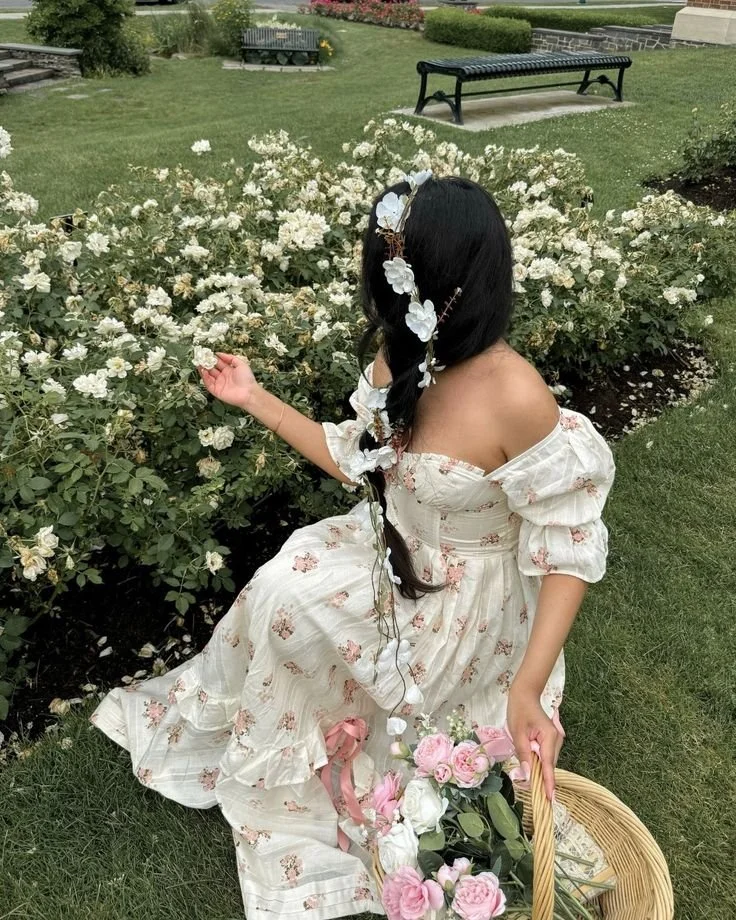
Aesthetics are not just about looking pretty. They are about feeling something. That is probably why they are so addictive online. You see one photo of an old library, a rainy window, a half-finished cup of coffee, and suddenly dark academia does not just look like a style. It feels like a whole life. It feels like being intelligent, mysterious, romantic, and a little bit tragic. In the same way, cottagecore is not just floral dresses and homemade bread. It feels like peace. It feels like soft mornings, gardens, fresh air, and a life that is slower than the one most of us are actually living.
I think this is why so many people attach themselves to certain aesthetics so strongly. They give shape to feelings that are hard to explain. Someone who loves dark academia might not only like brown coats and old books. They might be drawn to the feeling of depth, seriousness, and meaning. Maybe they want their life to feel less ordinary. Maybe studying feels boring in real life, but when it is wrapped in candlelight, classical music, and handwritten notes, it suddenly feels beautiful. The aesthetic turns stress into romance. It makes everyday things feel like they belong in a story.
Cottagecore does something similar, but in a softer way. A lot of people are tired. Tired of screens, noise, pressure, deadlines, and the feeling that they always have to be doing more. Cottagecore offers the opposite of that. It gives people the fantasy of a small, peaceful life where things are simple and gentle. Baking, gardening, reading, making tea, picking flowers, these are ordinary things, but through the cottagecore lens they become comforting. They remind people that life does not always have to be fast or impressive. Sometimes it can just be quiet.
That is the emotional power of aesthetics. They let people escape without fully disappearing. You might still be living in a small bedroom, studying for exams, working a stressful job, or scrolling on your phone at midnight, but for a moment you can imagine another version of your life. One where your desk is a poet’s desk. One where your morning coffee is part of a ritual. One where your outfit makes you feel like the main character instead of just another tired person trying to get through the day.
There is also a huge identity part to it. Most people, especially when they are young, are constantly trying to figure out who they are. Aesthetics make that easier because they give you a ready-made language. Instead of explaining your whole personality, you can show it through your clothes, your room, your music, your books, your camera roll. A person’s aesthetic can say, “I am soft,” “I am mysterious,” “I am rebellious,” “I am elegant,” “I am nostalgic,” or “I do not belong to the modern world.”
That might sound dramatic, but humans have always done this. We have always used appearance, objects, and spaces to express identity. The only difference now is that social media has turned it into something much more visible and organized. Aesthetic communities give names to feelings people already had. Someone might have always loved rainy days, old novels, and museums, but once they discover dark academia, they suddenly feel like there is a whole community of people who understand that mood. Someone might have always wanted a peaceful, nature-filled life, but cottagecore gives that desire a name, a look, and a world.
This is why aesthetics can feel comforting. They make people feel less alone. When you find an aesthetic that matches your inner world, it can feel like proof that other people feel the same way too. You are not the only one who wants life to be slower, softer, darker, stranger, prettier, or more meaningful. Other people are building the same little imaginary worlds online, saving the same kinds of pictures, listening to the same playlists, and romanticizing the same tiny moments.
But there is also a downside. Because aesthetics live so heavily online, they can easily become another kind of pressure. Something that starts as self-expression can turn into performance. You might begin by enjoying dark academia because it makes studying feel beautiful, but then suddenly you feel like you need the perfect vintage blazer, the perfect bookshelf, the perfect leather journal, and the perfect “mysterious intellectual” personality. Cottagecore can also become less about peace and more about buying the right dress, owning the right mugs, having the right kitchen, or living a life that looks good in photos.
That is when aesthetics stop feeling freeing and start feeling exhausting. The whole point of an aesthetic should be inspiration, not perfection. You do not need to live in an old university to enjoy dark academia. You do not need a countryside cottage to enjoy cottagecore. You do not need to become a flawless visual brand. You can simply take the parts that make you feel happy, understood, or motivated.
At their best, aesthetics help people make life feel more intentional. They remind us that beauty matters, even in small things. Lighting a candle before studying, wearing an outfit that matches your mood, decorating your room in a way that makes you feel safe, making a playlist for a rainy walk, none of these things solve all your problems, but they can make life feel a little more yours.
Maybe that is the real psychology behind aesthetics. They are not just trends. They are tiny emotional worlds. Dark academia is a longing for depth and meaning. Cottagecore is a longing for peace and softness. Grunge might be a longing for honesty and rebellion. Clean girl might be a longing for control and calm. Every aesthetic says something about what people are craving.
In a world that often feels messy, rushed, and overwhelming, it makes sense that people want to create beauty wherever they can. Sometimes an aesthetic is not about pretending to be someone else. Sometimes it is about finding a version of yourself that feels easier to understand.